
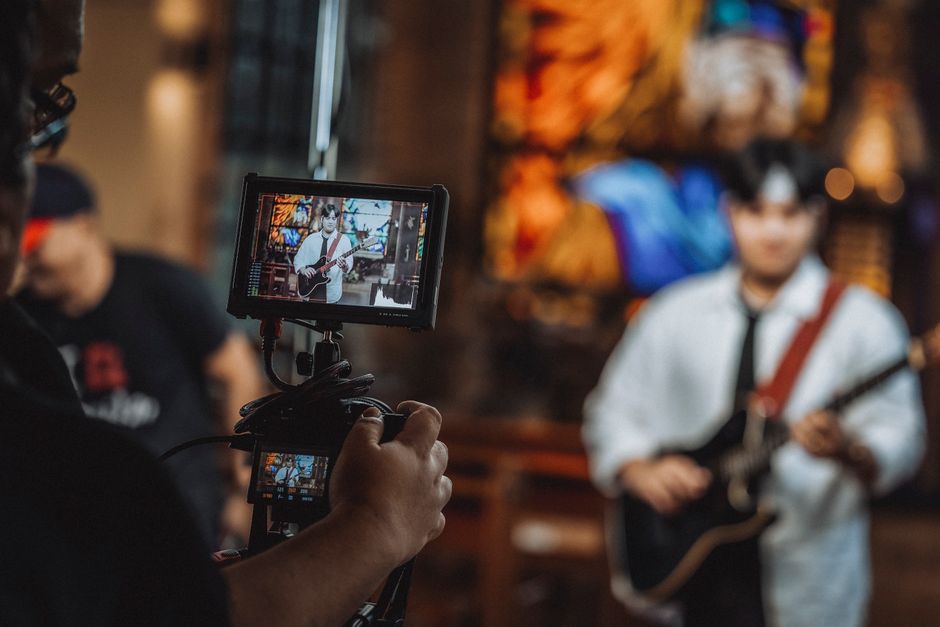
Music videos have become an essential component of the music industry, serving as a powerful medium for artists to convey their vision and connect with audiences. In this article, we will delve into the intricate world of music video production, exploring the various stages involved, the roles of different professionals, and the creative processes that culminate in a stunning visual representation of musical artistry.
Understanding the Pre-Production Process
The journey of a music video begins long before the cameras start rolling. Pre-production is a critical phase where the conceptualization of the video takes place. This stage involves brainstorming ideas, developing a script, and planning the overall aesthetic of the video.
One of the first steps in pre-production is the creation of a treatment, which outlines the vision for the video, including the storyline, themes, and visual style. This document serves as a blueprint for the entire production, guiding directors, cinematographers, and other crew members in their efforts. For instance, an artist like Billie Eilish often collaborates closely with directors to create visually striking narratives that complement her music.
Furthermore, during this phase, logistical details such as casting, location scouting, and budgeting are addressed. The effectiveness of pre-production directly impacts the efficiency of the subsequent filming and post-production processes. A well-planned shoot can save time and resources while ensuring that the creative vision is realized.
The Role of the Director and Creative Team
The director is the driving force behind a music video, responsible for translating the artist’s vision into a visual narrative. This role requires a unique blend of creativity and technical knowledge. Directors work closely with a creative team, including producers, cinematographers, and art directors, to ensure that every aspect of the video aligns with the intended message.
For example, renowned director Hype Williams is known for his innovative use of color and visual techniques, creating iconic videos that have defined the aesthetics of the hip-hop genre. His ability to collaborate with artists and understand their music has made him a sought-after figure in the industry.
Additionally, the creative team often includes choreographers, costume designers, and makeup artists, each contributing their expertise to enhance the overall production. The synergy between these professionals is crucial in crafting a cohesive and compelling music video that resonates with viewers.
Filming Techniques and Equipment
When it comes to filming a music video, the choice of equipment and techniques can significantly influence the final product. High-quality cameras, lighting setups, and sound equipment are essential for capturing stunning visuals and clear audio. Many production teams opt for 4K cameras, which offer exceptional resolution and detail, allowing for a more immersive viewer experience.
In recent years, drone technology has revolutionized how music videos are shot, providing aerial shots that add a dynamic layer to the storytelling. Filming techniques such as slow motion, time-lapse, and creative camera angles are also employed to enhance the visual impact. For instance, the use of slow-motion shots can evoke emotional responses, making pivotal moments in the video more dramatic.
Moreover, the integration of visual effects and animations can elevate a music video from a simple performance to a captivating artistic experience. Many artists are now collaborating with VFX specialists to incorporate stunning graphics that complement their music, leading to a richer viewer experience.
The Post-Production Phase
Once filming is completed, the post-production phase begins. This stage involves editing the footage, adding visual effects, color correction, and sound design. Editors play a crucial role in shaping the narrative flow of the video, ensuring that the visuals align seamlessly with the music.
Color grading is another vital aspect of post-production that can dramatically alter the mood and tone of the video. By adjusting the color palette, editors can evoke specific emotions that resonate with the song’s themes. For example, a darker color scheme may be used to convey a sense of melancholy, while vibrant colors can enhance a feeling of joy and celebration.
Additionally, sound design is crucial in creating an immersive experience. This includes syncing the audio with the visuals, adding sound effects, and ensuring that the overall sound quality meets industry standards. The final cut of the music video is often a collaborative effort, with input from the artist, director, and producers to ensure that the end result meets everyone’s expectations.
Marketing and Distribution Strategies
After the music video is completed, the next challenge is effectively marketing and distributing it to reach the intended audience. Social media platforms such as YouTube, Instagram, and TikTok have become essential tools for promoting music videos, allowing artists to engage with fans and build anticipation for their releases.
Artists and their marketing teams often develop strategic campaigns to maximize exposure. This can include teaser trailers, behind-the-scenes footage, and interactive content that encourages fan participation. For example, the viral success of many music videos can be attributed to creative marketing strategies that leverage social media trends.
Moreover, collaborating with influencers and other artists can further amplify the reach of a music video. By tapping into established fan bases, artists can increase their visibility and attract new listeners. This multifaceted approach to marketing is essential in a competitive industry where capturing attention is paramount.
Conclusion
Music video production is a complex and multifaceted process that requires careful planning, creativity, and collaboration. Each stage, from pre-production to post-production, plays a crucial role in shaping the final product. As technology continues to evolve, the possibilities for music videos are endless, allowing artists to push creative boundaries and connect with their audiences in innovative ways. Whether through stunning visuals or compelling narratives, music videos remain a vital tool for artists to express their artistry and elevate their music to new heights. For those interested in the intricacies of music video production, understanding the various elements involved can provide valuable insights into this captivating industry.