
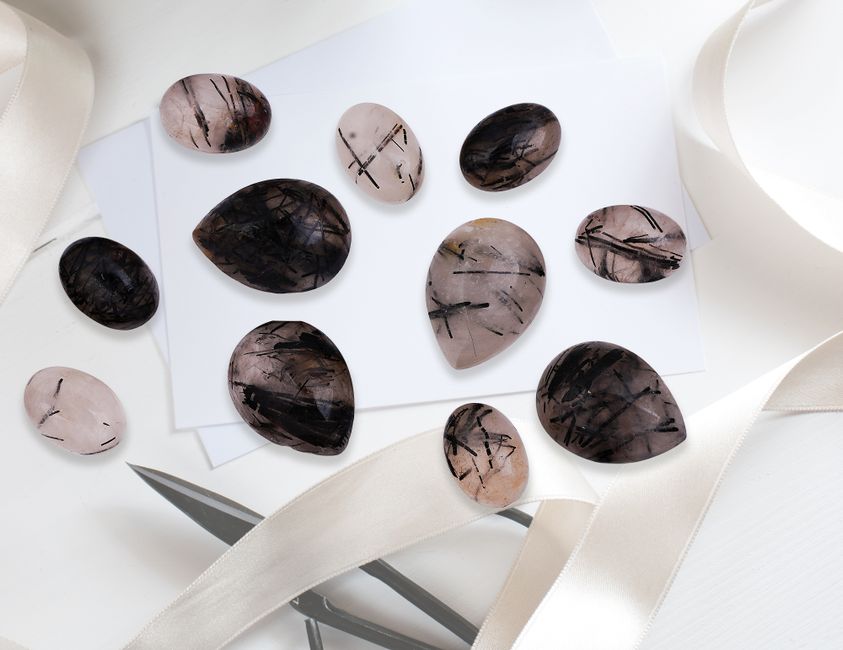
In the world of jewelry and gemstones, the supplier you choose can significantly impact the quality, price, and overall experience of your purchase. Whether you’re a designer, retailer, or an individual looking to buy gemstones, understanding how to select the right gemstone supplier is essential. This guide delves into the key factors to consider when choosing a supplier, the types of gemstones available, and how to ensure you’re making a wise investment.
Understanding the Types of Gemstones
Before diving into the selection of a supplier, it’s crucial to understand the different types of gemstones available in the market. Gemstones can be categorized into precious and semi-precious stones. Precious stones, such as diamonds, rubies, sapphires, and emeralds, are highly valued due to their rarity and beauty. Semi-precious stones, like amethyst, garnet, and aquamarine, are more abundant but can still possess stunning qualities.
Additionally, gemstones can be natural, synthetic, or treated. Natural gemstones are mined from the earth and have not undergone any significant alteration. Synthetic gemstones are man-made and possess similar chemical properties to natural stones. Treated gemstones have been enhanced using various methods to improve their appearance. Understanding these categories will help you communicate better with your potential gemstone supplier and make informed decisions.
Assessing Supplier Reputation
One of the first steps in selecting a gemstone supplier is to assess their reputation in the industry. Look for suppliers who have been in business for a significant period, as longevity often indicates reliability. Additionally, check for reviews and testimonials from previous customers. Websites, forums, and social media can provide insights into customer experiences.
Moreover, consider whether the supplier has affiliations with reputable organizations such as the Gemological Institute of America (GIA) or the International Gemological Institute (IGI). These affiliations can serve as a mark of quality, ensuring that the supplier adheres to industry standards.
Quality Assurance and Certification
Quality assurance is paramount when purchasing gemstones. A reputable supplier should offer certification for their stones, indicating their authenticity and quality. Certifications from recognized gemological laboratories provide detailed information about the gemstone, including its grade, origin, and whether it has undergone any treatments.
When evaluating certifications, ensure they come from respected organizations. A certification can significantly affect the stone’s value and your investment’s security. Always ask for documentation when purchasing high-value gemstones to avoid potential disputes later.
Pricing and Payment Options
Pricing can vary widely among gemstone suppliers, influenced by factors such as rarity, quality, and demand. It’s essential to have a clear understanding of the market rates for the types of gemstones you’re interested in. Researching prices before reaching out to suppliers can give you a baseline for comparison.
Additionally, inquire about payment options and policies. Some suppliers may offer flexible payment plans, discounts for bulk purchases, or guarantees for unsold items. Understanding the financial aspects of your purchase will help you navigate negotiations effectively.
Building a Lasting Relationship
Once you’ve chosen a gemstone supplier, focus on building a long-term relationship. A reliable supplier can provide consistent quality, better pricing, and access to exclusive stones. Regular communication and engagement can foster trust and lead to mutually beneficial arrangements.
Consider visiting the supplier’s facilities if possible. Seeing their operation firsthand can provide insights into their practices and quality control measures. This transparency can further strengthen your partnership and ensure you receive the best products.
Conclusion
Choosing the right gemstone supplier is a critical step in ensuring the success of your jewelry business or personal collection. By understanding the types of gemstones, assessing supplier reputation, ensuring quality assurance, comparing prices, and building lasting relationships, you can make informed decisions that benefit you in the long run. Remember, the right supplier not only provides quality gemstones but also supports your journey in the vibrant world of jewelry.