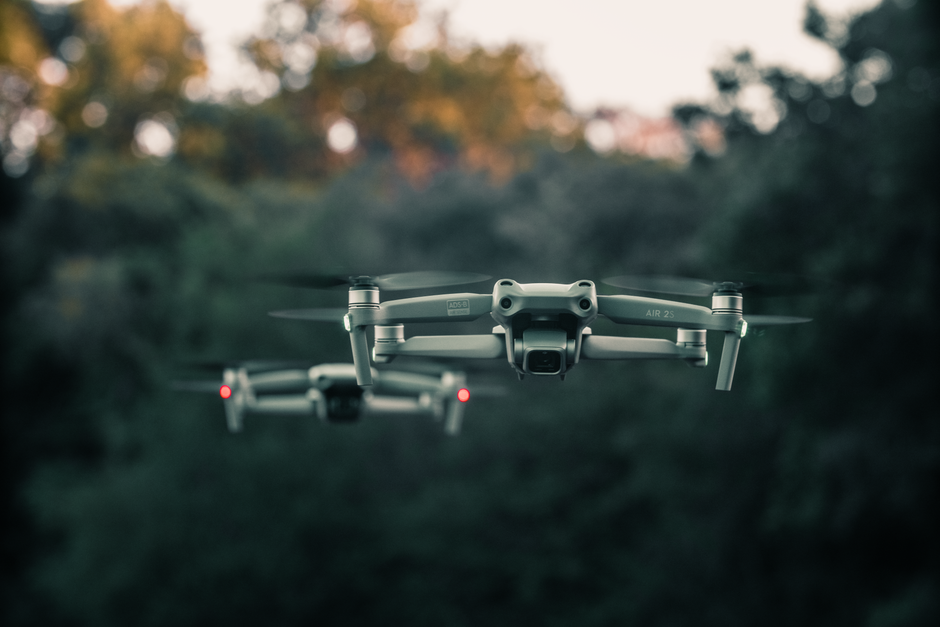
Aerial drone photography has revolutionized the way we capture images from above, providing breathtaking perspectives that were once reserved for helicopters or planes. The combination of advanced technology and creativity allows photographers to produce stunning visuals, whether for real estate, landscape photography, or cinematic shots. As drones become more accessible, understanding their capabilities and the best practices for aerial photography is essential for both amateurs and professionals alike.
Understanding Aerial Drone Photography
Aerial drone photography utilizes unmanned aerial vehicles (UAVs) equipped with high-resolution cameras to capture images from the sky. This technology has made it easier for photographers to access hard-to-reach locations and provide unique viewpoints that traditional photography methods cannot match. Drones can fly at various altitudes, allowing for versatile compositions and angles that enhance the storytelling aspect of photography.
One of the key advantages of aerial photography is the ability to obtain high-resolution images that can be used for multiple purposes. For instance, real estate agents utilize these images to showcase properties, giving potential buyers an overview of the surroundings and property layout. According to a survey by the National Association of Realtors, listings with aerial images sell 68% faster than those without.
Moreover, aerial photography is not limited to commercial purposes; it has gained popularity among hobbyist photographers and filmmakers as well. Many individuals are now investing in drones to explore their creativity and capture the beauty of nature from above. The democratization of this technology has led to an explosion of stunning aerial imagery shared on social media platforms.
Choosing the Right Drone for Aerial Photography
When diving into aerial drone photography, selecting the right equipment is paramount. There are numerous drones available on the market, each offering different features tailored for various photography needs. For beginners, drones like the DJI Mini series provide user-friendly controls and excellent camera quality without a hefty price tag.
For professional photographers, drones such as the DJI Mavic 3 or the Inspire 2 offer advanced features like obstacle avoidance, longer flight times, and superior image stabilization. These features are crucial when capturing dynamic shots or filming in challenging environments. Additionally, understanding the specifications, such as camera resolution, flight time, and range, will help you make an informed decision.
It’s also essential to consider additional equipment that can enhance your aerial photography experience. Accessories such as ND filters can help manage exposure in bright conditions, while spare batteries ensure longer shooting sessions. Investing in a quality drone bag will protect your equipment during transport and storage.
Mastering Drone Photography Techniques
Once you have your drone, mastering the techniques of aerial photography is the next step. Composition is key in photography, and aerial shots are no exception. Utilizing the rule of thirds, leading lines, and symmetry can significantly improve your photographs. Planning your shots in advance using mapping tools can also save time and help you identify the best angles.
Lighting plays a crucial role in photography, and aerial shots can be particularly affected by the time of day. The golden hour—shortly after sunrise and before sunset—offers soft, warm lighting that enhances the overall aesthetic of your images. Additionally, experimenting with different altitudes and angles can yield varying perspectives that add depth to your photographs.
Furthermore, post-processing is an integral part of the aerial photography workflow. Software like Adobe Lightroom and Photoshop allows photographers to enhance colors, adjust exposure, and correct any distortions caused by the drone’s lens. These tools can transform a good image into a stunning one, elevating your work to a professional level.
Legal Considerations and Safety in Aerial Photography
As with any form of photography, legal considerations must be taken into account when flying drones. In many countries, drone pilots must comply with regulations set by aviation authorities. In the United States, the Federal Aviation Administration (FAA) requires drone operators to register their drones and follow guidelines regarding flight altitude, no-fly zones, and airspace restrictions.
Safety is also a priority when operating drones. It is crucial to conduct pre-flight checks to ensure that your equipment is functioning properly and that the surroundings are safe for flying. Being aware of weather conditions, such as wind speed and visibility, can prevent accidents and ensure a successful shoot.
Moreover, respecting the privacy of individuals and property is essential. Avoid flying over private property without permission, and be mindful of local laws regarding drone usage. Practicing responsible flying not only enhances your reputation as a photographer but also contributes to the overall acceptance of drone technology in society.
Conclusion: Embracing the Future of Photography
Aerial drone photography is more than just a trend; it is a powerful tool that allows photographers to share unique perspectives and tell compelling stories. As technology continues to evolve, the possibilities for creativity in aerial photography are endless. Whether you’re capturing breathtaking landscapes, showcasing real estate, or creating cinematic masterpieces, understanding the fundamentals of aerial photography will set you apart from the crowd.
By selecting the right equipment, mastering photography techniques, and adhering to safety regulations, you can unlock the full potential of your aerial drone photography journey. Explore the skies, capture the beauty of our world, and let your creativity soar.
For more information on aerial drone photography, consider visiting aerial drone photography websites that offer tips and resources for enthusiasts.