
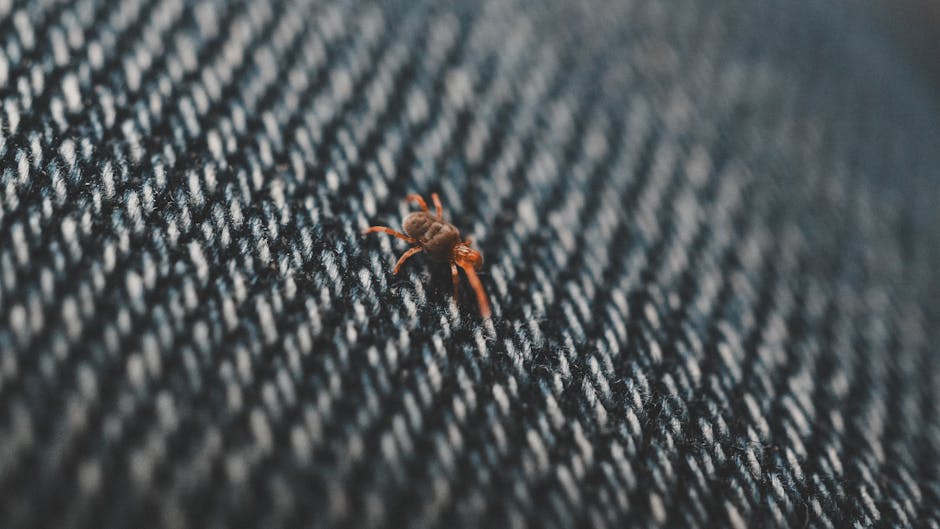
Bedbugs are notorious pests that can turn your home into a battleground. These tiny, elusive insects feed on human blood, usually while their victims are sleeping. Understanding how to effectively exterminate bedbugs is crucial for anyone dealing with an infestation. In this article, we will explore the most effective strategies for bedbug extermination, including prevention, detection, and treatment options.
Understanding Bedbugs
Bedbugs (Cimex lectularius) are small, wingless insects that are reddish-brown in color. They typically measure about 4 to 5 millimeters in length and are known for their ability to hide in tight spaces. Bedbugs are primarily nocturnal and are attracted to the warmth of human bodies, making them particularly challenging to detect until an infestation is well underway. According to the National Pest Management Association, 97% of pest professionals have treated bedbug infestations in the last year, highlighting the widespread nature of this problem.
One of the key challenges in dealing with bedbugs is their rapid reproduction rate. A single female can lay up to 500 eggs in her lifetime, which can hatch in as little as 7 to 10 days. This rapid lifecycle means that prompt action is essential to prevent a small problem from becoming a large infestation.
Signs of Infestation
Identifying bedbug infestations early can significantly increase the chances of successful extermination. Common signs of an infestation include:
- Dark spots on sheets or mattresses, which are bedbug excrement.
- Rusty or red stains on bedding caused by crushed bedbugs.
- Small white eggs or eggshells in hiding spots.
- Unexplained bites or welts on the skin, often in a line or cluster.
If you notice any of these signs, it is crucial to act quickly. Delaying treatment can lead to a much larger infestation, making extermination more challenging.
Prevention Tips
Preventing bedbugs from entering your home is the first line of defense. Here are some effective prevention tips:
- Inspect second-hand furniture and clothing before bringing them into your home.
- Use mattress and box spring encasements to protect against bedbug infestations.
- Regularly vacuum and clean your home, especially in areas where bedbugs are likely to hide.
- Seal cracks and crevices in walls and furniture where bedbugs might enter.
By taking these preventative measures, you can significantly reduce the risk of a bedbug infestation in your home.
Effective Treatment Options
If you find yourself dealing with a bedbug infestation, there are several treatment options available. Professional extermination is often the most effective route, especially for large infestations. Exterminators typically use a combination of chemical treatments and heat treatments to eliminate bedbugs.
For those looking to tackle the problem themselves, there are various DIY methods available. However, these methods often require a great deal of diligence and may not be as effective as professional services. One useful approach is to use steam cleaning, which can kill bedbugs at all life stages. Additionally, using bed bug treatment products specifically designed for home use can help manage smaller infestations.
Regardless of the method chosen, it is crucial to follow up after treatment to ensure that all bedbugs have been eradicated. This may involve re-inspecting the area and continuing preventative measures.
Conclusion
Bedbug extermination can be a daunting task, but understanding the biology of these pests, recognizing the signs of infestation, and knowing the best prevention and treatment methods can make the process manageable. Whether you choose to handle the situation yourself or enlist the help of professionals, prompt action is key. By staying informed and proactive, you can protect your home from the nightmare of bedbug infestations.