
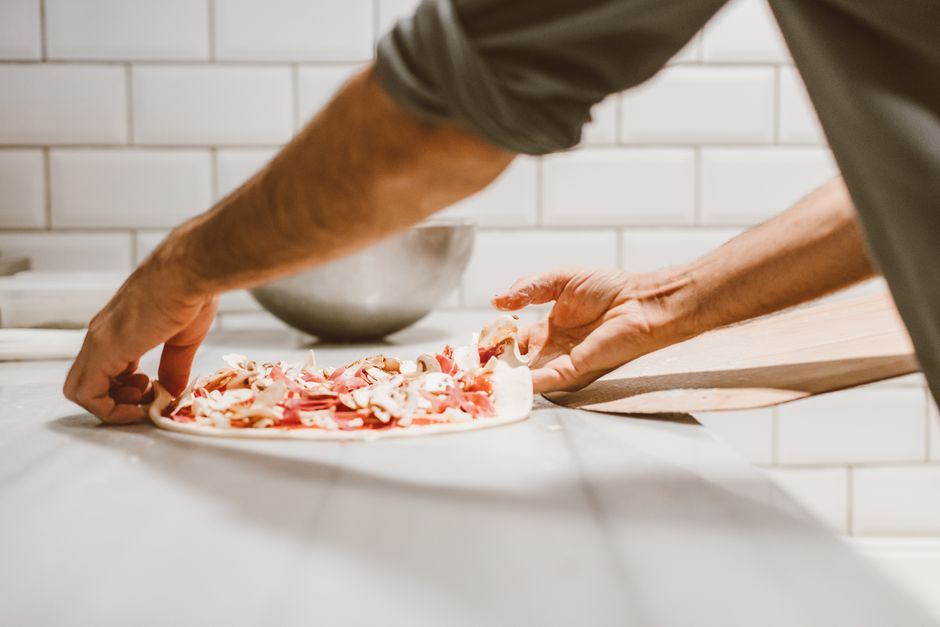
Handmade pizza is not just a meal; it is an experience that combines art, tradition, and culinary skill. In today’s fast-paced world, where convenience often takes precedence over quality, handmade pizza stands out as a delicious reminder of what food can be when crafted with care and passion. This article delves into the intricacies of making handmade pizza, exploring its history, techniques, and the reasons why it has become a beloved dish worldwide.
The History of Pizza: From Italy to the World
Pizza’s origins can be traced back to Naples, Italy, in the 18th century, where it began as a simple dish for the working class. Initially, it was made with basic ingredients: flatbreads topped with tomatoes, cheese, and various herbs. The invention of the Margherita pizza in 1889, named after Queen Margherita of Savoy, marked a significant turning point in pizza history. This dish showcased the colors of the Italian flag: red tomatoes, white mozzarella, and green basil. As Italian immigrants traveled to the United States and beyond, they brought their beloved pizza with them, leading to the global phenomenon we know today.
As pizza spread across the globe, various regions adapted the dish to fit local tastes, resulting in diverse styles such as New York thin crust, Chicago deep-dish, and Neapolitan. Despite these variations, the common thread remains: a base of dough topped with sauce, cheese, and a variety of toppings. Each handmade pizza reflects the culture and ingredients of its origin, making it a fascinating subject for culinary exploration.
Essential Ingredients for Handmade Pizza
The secret to an exceptional handmade pizza lies in its ingredients. High-quality components are essential for achieving the best flavor and texture. The foundation of any pizza is the dough, which typically consists of flour, water, yeast, and salt. Using unbleached flour with a higher protein content can create a chewier crust, while incorporating a small amount of olive oil can enhance the dough’s flavor and texture.
Next comes the sauce. Traditional pizza sauce is made from crushed San Marzano tomatoes, seasoned with garlic, olive oil, and fresh herbs. This simple yet flavorful sauce serves as the perfect base for the pizza. When it comes to cheese, fresh mozzarella is often preferred, as it melts beautifully and adds a creamy texture. For those seeking a more adventurous flavor profile, adding aged cheeses like Parmigiano-Reggiano or pecorino can elevate the dish.
Finally, the toppings are where creativity truly shines. From classic pepperoni and mushrooms to gourmet options like truffle oil and arugula, the possibilities are endless. The key is to balance flavors and textures, ensuring that no single topping overpowers the others. Remember, a well-crafted handmade pizza celebrates its ingredients.
Techniques for Crafting the Perfect Handmade Pizza
Creating the perfect handmade pizza requires skill and patience. It starts with the dough, which should be allowed to ferment for at least 24 hours. This slow fermentation process develops complex flavors and improves the dough’s texture. Once the dough has rested, it should be shaped by hand rather than using a rolling pin, which can deflate the air bubbles created during fermentation.
When it comes to assembling the pizza, less is often more. Start with a thin layer of sauce, followed by a generous amount of cheese, and then add the toppings of your choice. It’s essential to preheat your oven to the highest temperature possible, ideally around 500°F (260°C). Using a pizza stone or steel can help achieve a crispy crust by retaining heat. Bake the pizza for about 10-12 minutes, or until the crust is golden brown and the cheese is bubbling.
Once out of the oven, let the pizza rest for a minute before slicing. This allows the cheese to set slightly, making for cleaner cuts. A sprinkle of fresh basil or a drizzle of high-quality olive oil can add a finishing touch that elevates your handmade pizza to restaurant-quality.
The Cultural Significance of Handmade Pizza
Handmade pizza is more than just a dish; it embodies a sense of community and tradition. In many Italian families, making pizza is a cherished ritual that brings people together. From kneading the dough to sharing a meal, the process fosters connections and creates lasting memories. Pizza nights have become a staple in households around the world, often accompanied by laughter and conversation.
Additionally, the rise of artisanal pizza restaurants has sparked a renewed interest in handmade pizza. Chefs are experimenting with unique ingredients and innovative techniques, pushing the boundaries of this beloved dish. The emphasis on sourcing local, organic ingredients reflects a broader trend towards sustainability and authenticity in the culinary world.
In recent years, pizza has also become a canvas for culinary artists. High-profile chefs and food enthusiasts alike are transforming traditional recipes, incorporating global flavors, and presenting visually stunning creations. This evolution showcases the versatility of pizza while honoring its rich history.
Conclusion: The Enduring Appeal of Handmade Pizza
Handmade pizza is a testament to the beauty of simplicity and the joy of crafting something with your own hands. Its rich history, diverse ingredients, and cultural significance make it a dish that resonates with people from all walks of life. Whether you enjoy a classic Margherita or an adventurous gourmet creation, the experience of savoring a handmade pizza is truly unparalleled. So next time you indulge in this delightful dish, take a moment to appreciate the artistry and passion that goes into each slice. For those looking to elevate their pizza experience, consider exploring options like LUXURY 777, where culinary excellence meets handmade tradition.