
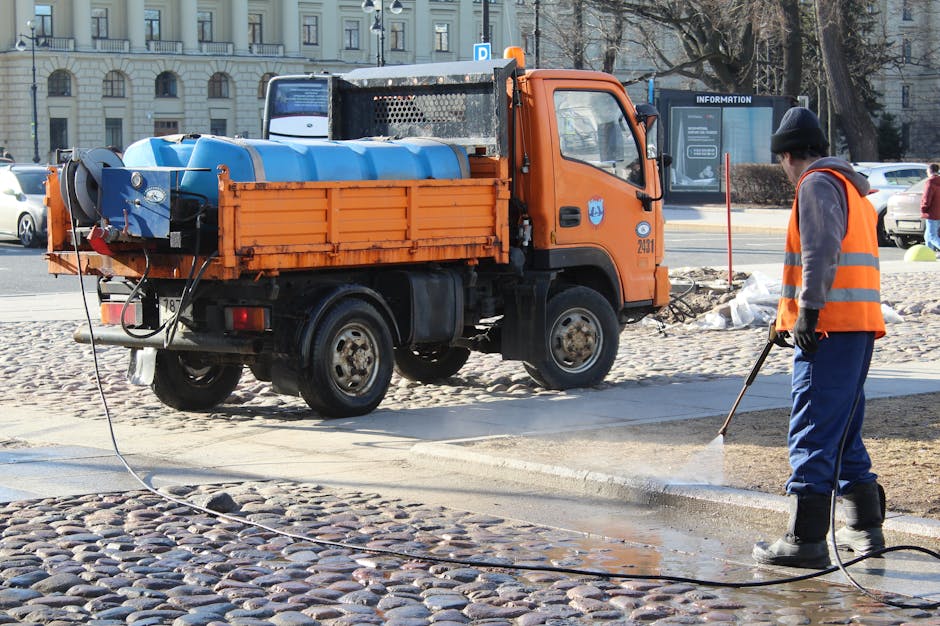
Septic tanks play a crucial role in managing wastewater for homes not connected to municipal sewer systems. Proper maintenance and cleaning of septic tanks are essential to ensure their longevity and efficiency. Neglecting these tasks can lead to costly repairs and health hazards. In this article, we will explore the importance of septic tank cleaning, how often it should be done, the cleaning process, and signs that your septic system needs attention.
Understanding the Function of Septic Tanks
Septic tanks are underground chambers made of concrete, fiberglass, or plastic, designed to treat and dispose of wastewater. When wastewater from your home flows into the tank, solids settle at the bottom, forming sludge, while lighter materials like grease float to the top, creating a scum layer. The liquid in between is known as effluent, which is then discharged into a drain field for further treatment.
The efficiency of this system depends greatly on its maintenance. Regular cleaning helps prevent the buildup of sludge and scum, which can cause blockages in the drainage system and lead to system failure. It is vital to understand that a well-maintained septic system not only protects your property but also the surrounding environment.
How Often Should You Clean Your Septic Tank?
The frequency of septic tank cleaning can depend on various factors, including the size of the tank, the number of occupants in the household, and the amount of wastewater generated. On average, it is recommended to have your septic tank pumped every three to five years. However, larger families or homes with high water usage may require more frequent cleanings.
According to the Environmental Protection Agency (EPA), if you have a large family or frequently have guests, monitoring your tank’s level is essential. You can check the level of sludge and scum by inspecting the tank. If the sludge is within six inches of the outlet pipe, it’s time for a cleaning.
The Cleaning Process: What to Expect
The septic tank cleaning process typically involves pumping out the contents of the tank, including sludge and scum. A professional septic service will arrive with a vacuum truck, which is specifically designed to extract the waste from the tank.
Once the tank is emptied, the technician will inspect it for any signs of damage or wear. This is an essential step, as minor issues can lead to significant problems if left unchecked. After inspection, the tank is cleaned using high-pressure water jets to remove any remaining debris.
It’s crucial to hire a licensed professional for this task. Attempting to clean your septic tank yourself can be dangerous and may lead to improper handling of hazardous materials.
Signs That Your Septic System Needs Attention
Recognizing the signs that your septic system requires maintenance can save you from significant problems down the line. Some common indicators include:
- Slow drains in your home
- Unpleasant odors around the septic tank area
- Pooling water or wet spots in your yard
- Bright green grass over the drain field, even in dry conditions
If you notice any of these signs, it’s crucial to contact a septic maintenance professional immediately. Ignoring these symptoms can lead to costly repairs and environmental damage.
Cost Considerations for Septic Tank Cleaning
The cost of septic tank cleaning can vary widely depending on factors such as location, tank size, and the service provider. On average, homeowners can expect to pay between $200 and $500 for a routine cleaning. While this may seem like a significant expense, it is a small price compared to the costs associated with septic system failure.
Investing in regular maintenance and cleaning will not only extend the lifespan of your septic system but also protect your property value and the environment. Remember, prevention is always more affordable than repair.
Conclusion
Septic tank cleaning is a vital part of maintaining a healthy wastewater management system for homes not connected to municipal sewer services. By understanding the function of septic tanks, recognizing the signs of trouble, and adhering to a regular maintenance schedule, homeowners can avoid costly repairs and ensure their septic systems operate efficiently. Always consult a professional for cleaning and maintenance to protect both your home and the environment. For tips on ongoing septic maintenance, consider reaching out to local service providers who can assist you in keeping your system in top shape.