
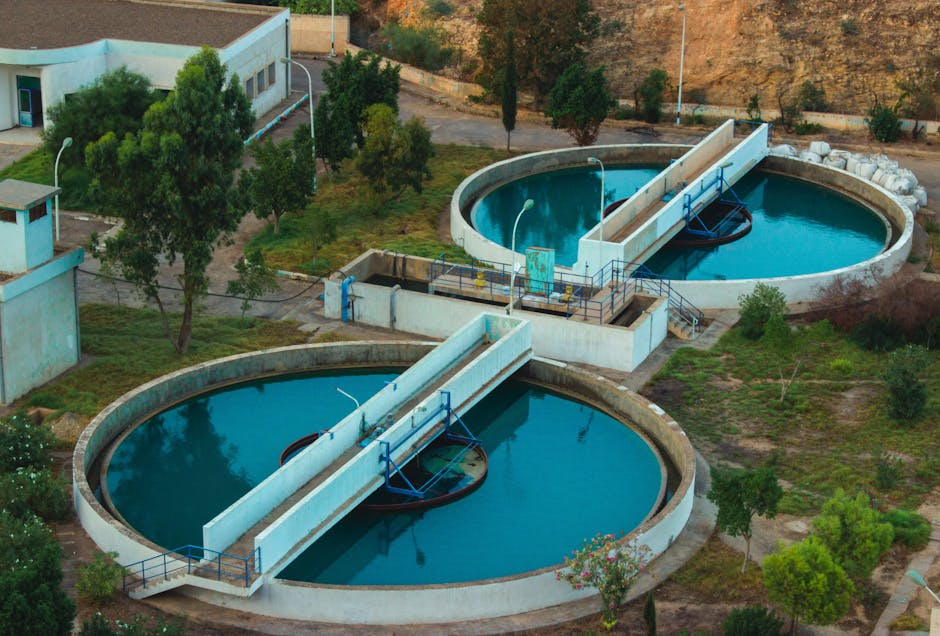
Septic tanks play a crucial role in wastewater management, particularly in rural areas where sewer systems are not available. However, many homeowners often overlook the importance of regular septic tank cleaning and maintenance, which can lead to expensive repairs and health hazards. In this article, we will explore the importance of septic tank cleaning, the signs that indicate it’s time for a pump-out, and how to maintain the system effectively.
Understanding the Septic System
A septic system is a self-contained underground wastewater treatment system. It typically consists of a septic tank and a drain field. Wastewater from your home flows into the septic tank, where solids settle to the bottom and are broken down by bacteria. The liquid effluent then flows into the drain field, where it is filtered by soil. Understanding how this system works is essential for proper maintenance.
Many homeowners are unaware of the pollutants that can clog their septic systems. For instance, grease, oil, and non-biodegradable items can disrupt the bacterial processes essential for breaking down waste. This can lead to a buildup of solids in the tank, necessitating more frequent cleanings. Keeping your septic system in optimal condition involves recognizing these issues early on.
Signs You Need Septic Tank Cleaning
One of the most critical aspects of septic tank maintenance is recognizing the signs that indicate a cleaning is needed. If you notice slow drains, gurgling sounds from your plumbing, or unpleasant odors near the drain field, these are often telltale signs that your septic tank is full. Ignoring these symptoms can lead to severe consequences, including sewage backups and costly repairs.
According to the Environmental Protection Agency (EPA), septic tanks should be inspected at least every three years and pumped every three to five years, depending on usage. However, households with garbage disposals or those that use large volumes of water may require more frequent attention. Keeping track of these signs can save you from major headaches down the road.
The Cleaning Process
Septic tank cleaning typically involves pumping out the tank to remove sludge and scum that accumulate over time. This process is usually carried out by professionals who use specialized equipment to ensure that the tank is emptied completely. During this process, it’s also essential to have the system inspected for any signs of damage or malfunction.
The cleaning process generally takes a few hours, depending on the size of the tank and the amount of waste that needs to be removed. After the tank is pumped, it’s vital to follow up with regular septic maintenance to keep the system functioning optimally. This includes avoiding flushing inappropriate materials down the toilet and being mindful of water usage within the household.
Cost Considerations
The cost of septic tank cleaning can vary widely based on several factors, including location, tank size, and the frequency of service needed. On average, homeowners can expect to pay between $200 to $500 for a standard cleaning. However, if repairs are needed, costs can increase significantly.
Investing in regular maintenance can save money in the long run. For example, failure to clean a septic tank can lead to costly repairs or even replacement of the entire system, which can range from $3,000 to $10,000 or more. Therefore, budgeting for regular septic tank cleaning should be a priority for homeowners.
Best Practices for Septic Tank Maintenance
To prolong the life of your septic system, implementing best practices for maintenance is essential. First, never flush non-biodegradable items down the toilet, such as wipes, feminine hygiene products, or dental floss. These items do not decompose and can lead to clogs.
Additionally, be mindful of what goes down your kitchen sink. Avoid pouring grease or oil down the drain, as these substances can solidify and create blockages. It’s also advisable to limit the use of harsh chemicals that can disrupt the natural bacterial processes within the tank.
Regular inspections and pump-outs are also vital components of a successful maintenance plan. Hiring a professional to assess your system every few years can help identify potential issues before they become major problems.
Conclusion
Maintaining a septic system might seem like a daunting task, but with the right knowledge and practices, it can be manageable. By understanding how your septic system works, recognizing the signs of a full tank, and committing to regular cleaning and maintenance, you can ensure the longevity and efficiency of your system. Remember, proactive care is always more economical than reactive repairs. Your septic system is a vital part of your home; treat it well to avoid costly messes in the future.