
As the global population continues to soar and urbanization progresses at an unprecedented pace, traditional farming methods face significant challenges. One innovative solution that has garnered attention is vertical farming technology. This method not only maximizes space but also ensures sustainable agricultural practices, making it a beacon of hope for food production in the future.
Understanding Vertical Farming
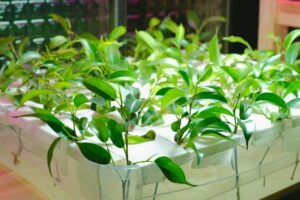
Vertical farming refers to the practice of growing crops in vertically stacked layers or integrated into other structures such as buildings. This innovative approach allows for the cultivation of food in urban environments where land is scarce. By utilizing advanced technologies, vertical farms can control environmental conditions, optimize resource use, and significantly reduce the need for pesticides.
One of the key components of vertical farming is the use of hydroponics and aeroponics. Hydroponics involves growing plants in nutrient-rich water, while aeroponics uses mist to deliver nutrients directly to the roots. These methods not only enhance growth rates but also minimize water usage compared to traditional soil-based farming. According to research, vertical farms can use up to 90% less water than conventional agriculture, making them an attractive option in areas facing water scarcity.
The Technology Behind Vertical Farming
Vertical farming technology incorporates various advanced systems such as LED lighting, automated nutrient delivery, and climate control systems. LED lights provide the necessary spectrum for plant growth while consuming less energy than traditional grow lights. A study by the University of Arizona indicates that LED lighting can reduce energy costs by up to 70% in vertical farms.
Moreover, automation plays a crucial role in enhancing efficiency in vertical farming operations. Automated systems can monitor plant health, nutrient levels, and environmental conditions in real-time. This data-driven approach allows farmers to make informed decisions, ultimately leading to higher yields and reduced waste. As technology continues to evolve, the integration of artificial intelligence and machine learning will further enhance the capabilities of vertical farms.
Economic and Environmental Benefits
The economic viability of vertical farming is a subject of considerable interest. While the initial investment in vertical farming technology can be high, the long-term benefits often outweigh the costs. For instance, vertical farms can produce crops year-round, regardless of seasonal changes, leading to a consistent supply of fresh produce. This reliability can stabilize prices and create a more resilient food supply chain.
Furthermore, vertical farming significantly reduces the carbon footprint associated with food transportation. Traditional farming often requires long-distance transport to reach urban markets, contributing to greenhouse gas emissions. In contrast, vertical farms can be established within city limits, allowing for the distribution of food with minimal transportation needs. This localization not only benefits the environment but also strengthens local economies by creating jobs in urban agriculture.
Challenges and Future Prospects
Despite the many advantages, vertical farming technology is not without its challenges. High energy costs, particularly for lighting and climate control, can pose significant hurdles. Additionally, the initial setup costs and the need for specialized knowledge in managing these systems can deter potential investors.
However, as technology advances and the demand for sustainable food sources grows, many experts believe that vertical farming will become increasingly viable. Research and development efforts are underway to improve energy efficiency and reduce operational costs. Collaborations between technology companies and agricultural experts are paving the way for innovative solutions that could revolutionize urban food production.
Conclusion: A Sustainable Path Forward
In conclusion, vertical farming technology represents a transformative approach to agriculture that addresses the challenges of urbanization and food security. By harnessing advanced technologies and innovative farming practices, vertical farms have the potential to significantly enhance food production while minimizing environmental impact. As we move towards a more sustainable future, embracing vertical farming could be a crucial step in ensuring that our growing population has access to fresh, nutritious food.
To learn more about the advancements in this field, exploring various vertical farming technology options can provide valuable insights.