
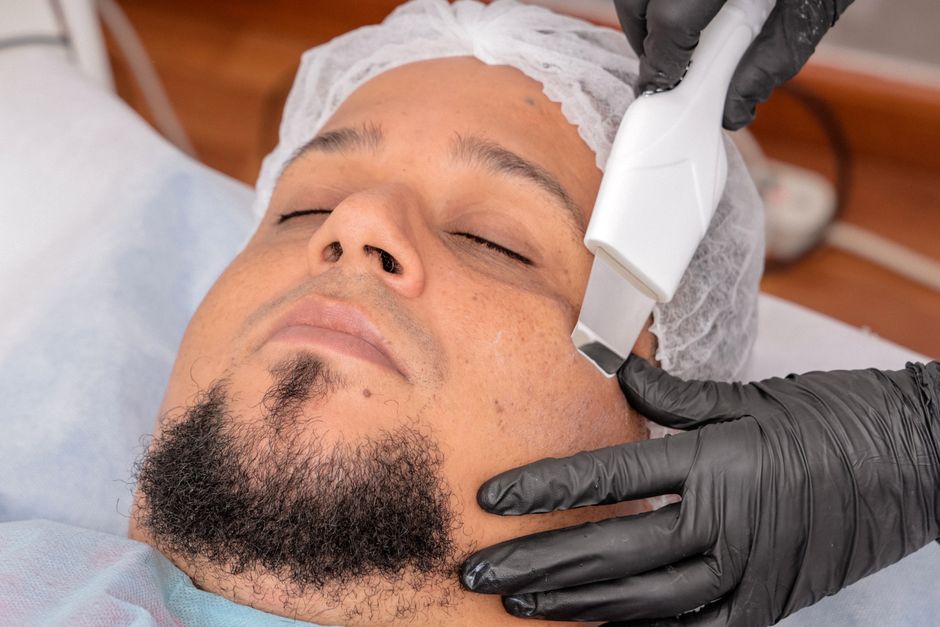
Chemical peel treatments have gained significant popularity in recent years as a method for improving skin appearance and texture. These treatments involve the application of chemical solutions to the skin, resulting in exfoliation and peeling. This process can help address various skin concerns, including acne scars, uneven skin tone, and fine lines. In this article, we will explore the different types of chemical peels, their benefits, and what you can expect during the treatment.
What is a Chemical Peel?
A chemical peel is a skin resurfacing procedure that uses chemical solutions to remove the outer layer of dead skin cells. This process stimulates the regeneration of new skin, leading to a smoother and more youthful appearance. Chemical peels can be classified into three main types: superficial, medium, and deep peels, each varying in the depth of penetration and the type of chemical used.
Superficial peels typically use mild acids, such as alpha-hydroxy acids (AHAs), to exfoliate the outer layer of skin. Medium peels use trichloroacetic acid (TCA) to penetrate further into the skin, while deep peels utilize phenol for more significant skin rejuvenation. Patients should consult a licensed dermatologist to determine the most suitable option based on their skin type and concerns.
Benefits of Chemical Peels
Chemical peels offer numerous benefits for those looking to enhance their skin’s appearance. One of the primary advantages is the improvement in skin texture. Many patients report a noticeable reduction in roughness and an increase in smoothness following treatment. Additionally, chemical peels can help diminish the appearance of acne scars and pigmentation irregularities, providing a more even skin tone.
Furthermore, chemical peels can stimulate collagen production, which is essential for maintaining skin elasticity and firmness. As we age, collagen production decreases, leading to sagging and wrinkles. By promoting collagen synthesis, chemical peels can contribute to a more youthful look over time.
What to Expect During the Treatment
Before undergoing a chemical peel, it is crucial to consult with a qualified professional who will assess your skin and discuss your goals. The treatment typically begins with a thorough cleansing of the face to prepare the skin for the chemical solution. Depending on the type of peel, a protective cream may be applied to minimize irritation.
During the procedure, the chemical solution is applied to the skin, and patients may experience a tingling or burning sensation. The duration of the treatment can vary but generally lasts between 30 minutes to an hour. After the peel, the skin may appear red and swollen, similar to a mild sunburn, but this usually subsides within a few days.
Post-Treatment Care and Considerations
Following a chemical peel, proper aftercare is essential to ensure optimal results. Patients are advised to avoid sun exposure and use a broad-spectrum sunscreen to protect the newly exposed skin. Additionally, it is essential to follow any specific instructions provided by the dermatologist regarding skincare products and routines.
While chemical peels are generally safe, some individuals may experience side effects such as peeling, dryness, and temporary discoloration. It’s crucial to discuss potential risks with a healthcare provider prior to treatment, particularly for those with sensitive skin or certain medical conditions.
Conclusion
Chemical peel treatments can be an effective solution for anyone looking to enhance their skin’s appearance and address various skin concerns. With numerous benefits, including improved texture, tone, and elasticity, these treatments are a valuable option in the realm of skincare. If you’re considering a chemical peel treatment, consult a qualified dermatologist to determine the best approach for your unique skin needs.